Reach new audiences with DOOH advertising

Discover the power of digital out-of-home (DOOH) advertising and elevate your brand’s presence with high-impact dynamic screens in strategic locations. Learn how to make your message stand out to captivate audiences and drive tangible results.


Yodeck Voted as the best digital signage on Captera with 4.9 stars our of 5.

Yodeck Voted as the best digital signage on G2 with 4.8 stars our of 5.

DOOH advertising

DOOH Advertising Use Cases

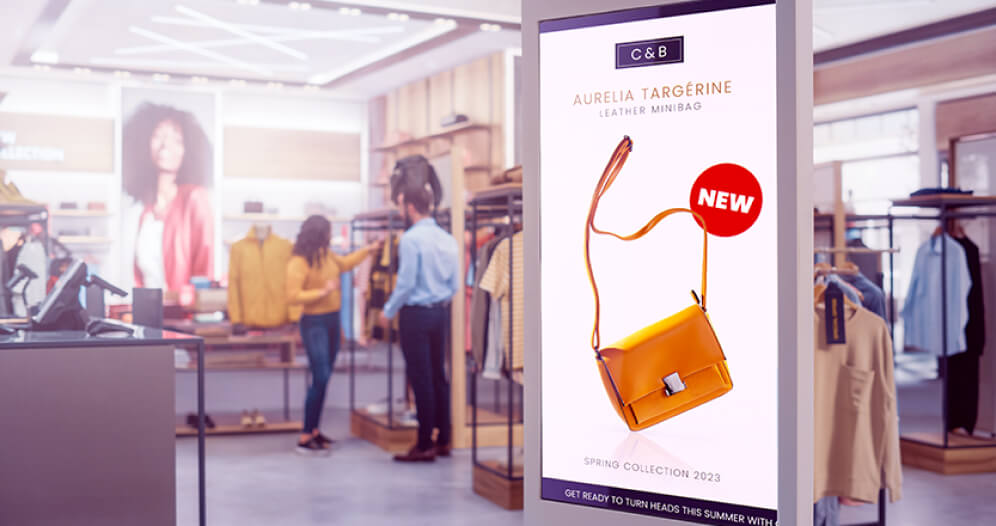
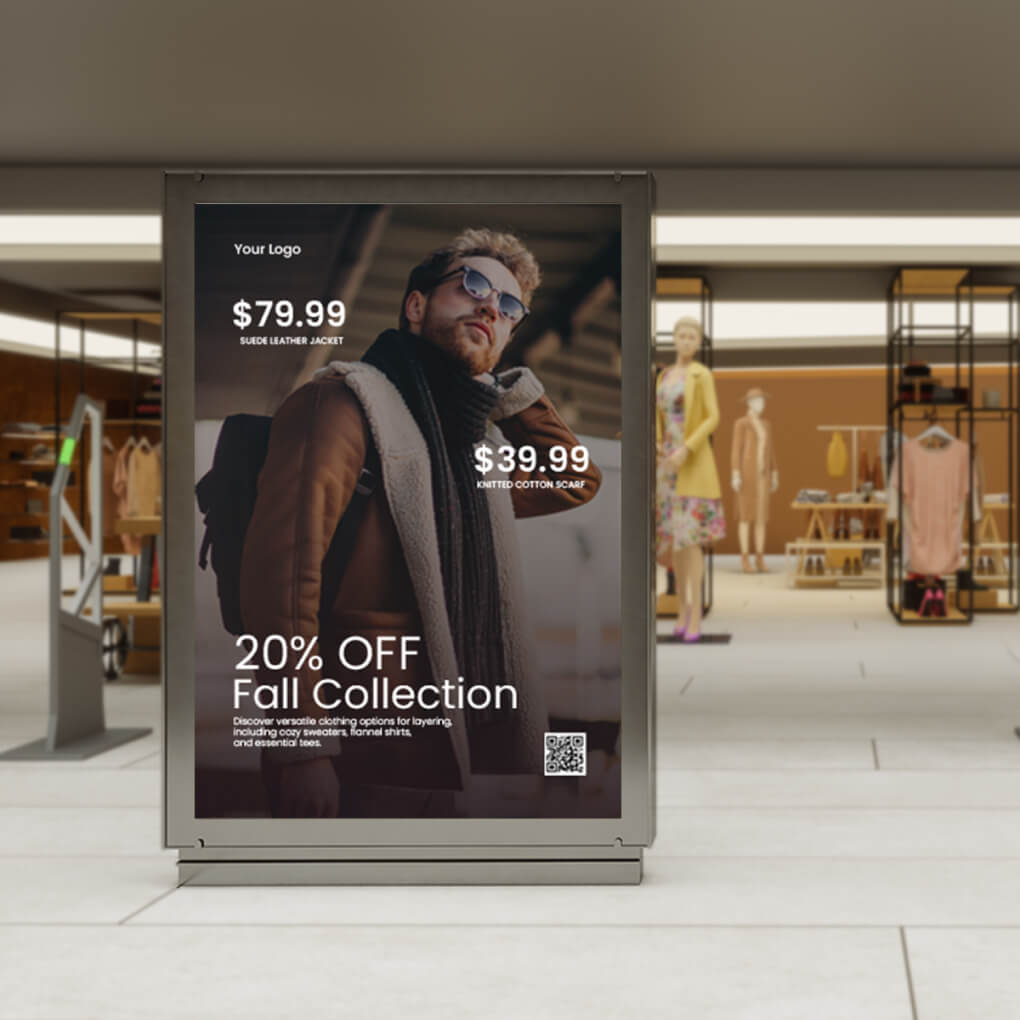
Retailers use in-store digital screens and window displays to promote products, showcase offers and enhance the shopping experience. DOOH screens are especially effective at storefront windows and as interactive kiosks at the point of sale 

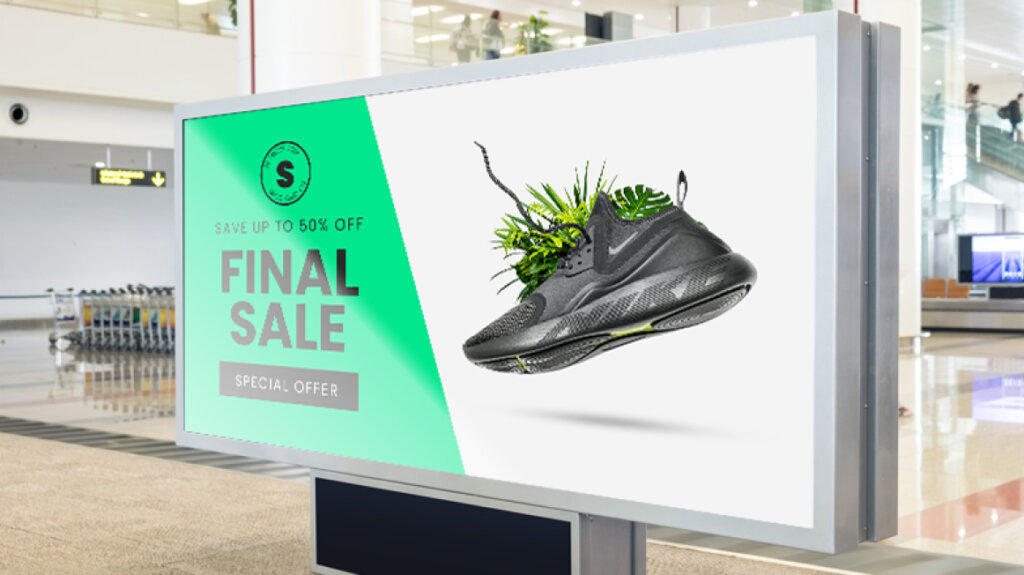
DOOH screens are placed at airports, train stations, and bus terminals to display flight information, schedules and wayfinding directions for commuters. They also serve as engaging advertising platforms integrated into urban infrastructure

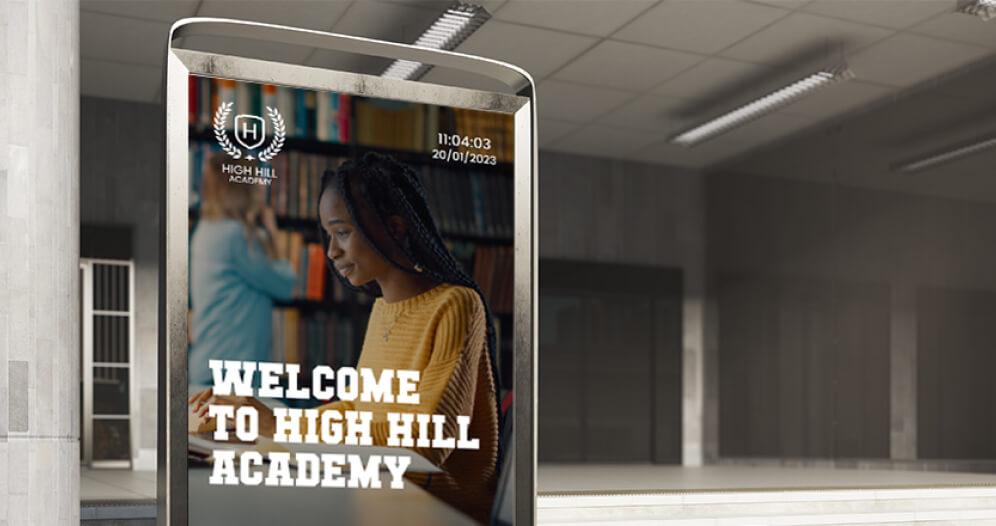
Schools, colleges and universities use DOOH displays to deliver educational content to students, make real-time announcements, promote events, fundraisers and other academic programs and communicate campus information

Digital out-of-home advertising is used in hotel lobbies, restaurants, bars and common areas to promote and upsell auxiliary services, hotel amenities, events and local attractions

Large digital billboards placed in stadiums and sports arenas are used to display live scores, instant replays, sponsor advertisements and wayfinding information. DOOH screens can also be used in movie theaters to promote upcoming films and as event digital signage displays

Real estate agencies use digital out-of-home advertising to showcase property listings with digital sale signs, agent information, virtual tours and other practical information in order to attract potential buyers.

Governments and nonprofit organizations use digital out-of-home advertising to disseminate important information, display safety announcements, promote health campaigns and broadcast emergency alerts instantly

How to set up your own DOOH advertising displays

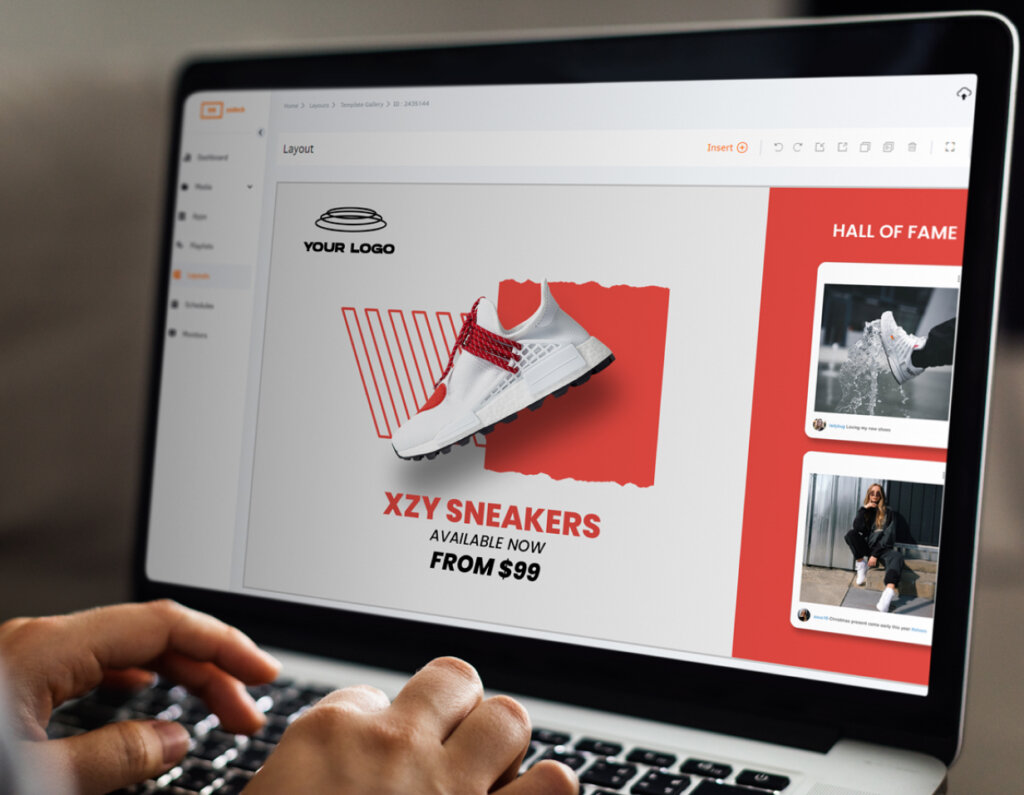
Woman uses a laptop

1. Login in at your Yodeck Account

screen with a digital signage content editor

2. Create engaging content

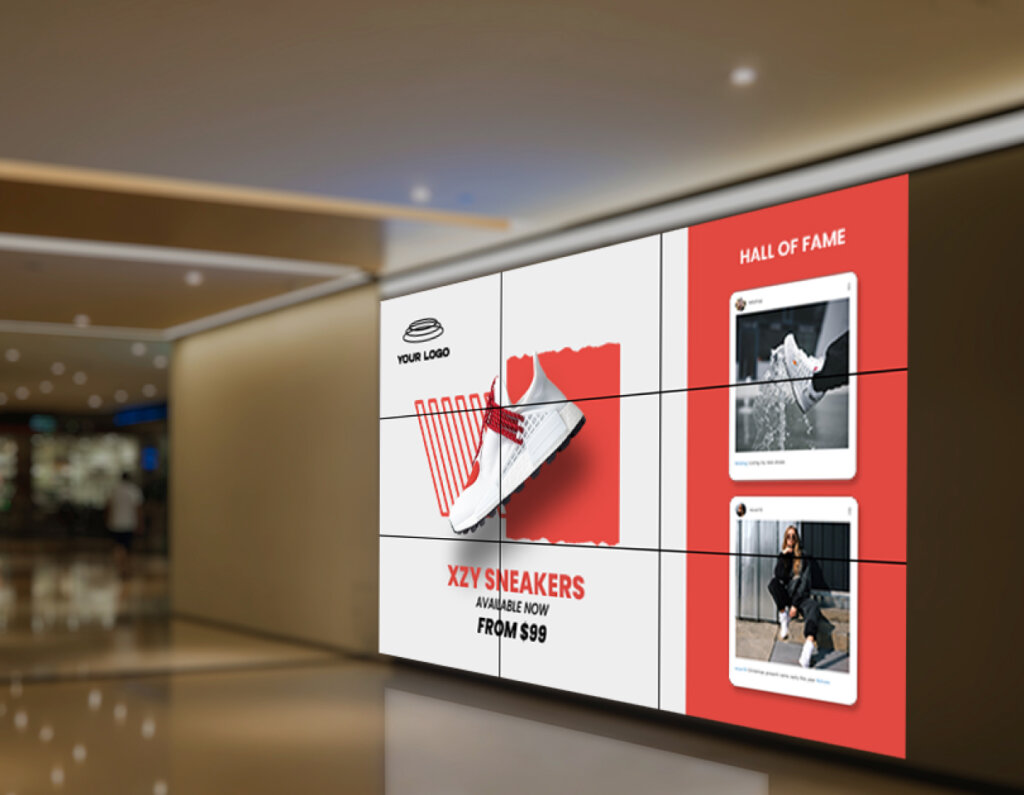
real example of a dooh video wall

3. Deliver content to any screen, from any location

Dooh Advertising: FAQs

DOOH advertising (or Digital Out-of-Home advertising) refers to promotional media displayed on digital screens in public spaces. Unlike traditional paper billboards, DOOH digital signage uses high-resolution screens to deliver dynamic, video-based content. It allows brands to reach consumers in high-traffic environments, such as malls, transit hubs & city centers, with a level of flexibility and impact that static signage cannot match.

DOOH signage is common in industries with high footfall:

OOH(Out-of-home advertising) traditionally relies on static printed formats, such as vinyl billboards or posters displayed for fixed periods. In contrast, DOOH (digital out-of-home) uses digital screens that can be updated remotely and scheduled dynamically. DOOH displays support video, animation, and data-triggered messaging, enabling programmatic DOOH advertising campaigns based on real-world data factors like time, weather, or location.

DOOH campaigns run on outdoor digital signage displays such as roadside billboards, urban panels, and transit shelters, as well as indoor screens in malls, gyms, and venues to maximize reach and ROI. Screen selection depends on viewing distance and dwell time: large formats require bold, simple messaging, while close-range displays support richer visuals, promotional offer & directional prompts near decision points.

A practical DOOH advertising example is a campaign that changes by location and moment: A coffee brand runs “Morning boost” creatives near transit hubs before 10am, then switches to iced drinks when temperatures rise. A retailer promotes a flash offer on screens within a few miles of stores, adding a QR code for redemption. Same campaign, smarter delivery.

Cloud-based dooh digital signage makes campaign control practical at scale. Teams can upload creatives once, schedule playlists, and publish updates to screen groups remotely. It reduces on-site visits, speeds approvals, and keeps creatives consistent across locations. For operators, cloud control also simplifies monitoring, permissions, and change logs, critical for busy DOOH networks.

A strong dooh advertising strategy starts with placement goals (reach vs. dwell), then matches creative to viewing time and distance. Plan dayparts, define frequency, and rotate variations to prevent fatigue. Use contextual triggers where appropriate. Finally, align DOOH with mobile and social so audiences see consistent messaging across channels and locations.

Enterprise DOOH advertising requires centralized governance, reliable playback, and role-based permissions across multiple operators and venues. You need scalable scheduling, screen grouping, audit logs, approval workflows, and uptime resilience. With Yodeck, organizations can manage thousands of DOOH screens from one cloud dashboard, apply standardized templates, enable local overrides when needed, and maintain brand consistency and compliance across regions.

Reliable DOOH advertising depends on stable hardware, cached playback, and automatic recovery. With Yodeck, content is stored locally on the player, so ads continue running even during temporary network outages. If power is interrupted, screens automatically resume scheduled playlists after reboot. This ensures DOOH displays stay live, consistent, and revenue-generating without manual intervention.

The cost of DOOH advertising depends on the number of screens, locations, and campaign complexity. Yodeck offers simple per-screen pricing starting at $8 per month & a free digital signage plan, making it cost-effective to launch or scale a DOOH network. Compared to traditional billboard advertising, digital screens reduce printing costs while enabling flexible scheduling and higher revenue potential.