
Static signage has been transformed into a relic of a bygone era. Slower, quieter communication could cut it in an offline world. But compared to screens that refresh themselves in real time, a printed sign is a fossil. In 2026 and beyond, brands that cling to static signage will be left behind, and only the most adaptable will survive.
Digital signage isn’t the outcome of this evolution, but it is an enabler. Marketers can pivot messaging based on live performance data, sync creative across channels the moment a campaign gains traction, or localize visuals in response to trending conversations. This gives marketing motion, measurability, and meaning in a world that no longer stands still.
The days of static marketing are numbered, and the industry is evolving accordingly. The majority of digital signage users have expressed plans to increase their investment in the technology.
Adapt or expire
Consumers expect more from brands for a long list of reasons. They have already grown used to not just consuming content, but interacting with it. They expect information that keeps pace with their shortened attention spans and reflects both their environment and preferences.
Digital displays have recall rates of nearly 83%, which is about double that of their static counterparts, while customization takes things a step further. More than 80% of consumers ignore irrelevant marketing messages, and actively disengage with the brand as a result. A whopping 96% say they’re likely to purchase when messaging is personalized.
Digital screens support this evolution by presenting content that moves as fast as its audience does. Imagine a global coffee chain with screens that switch from promotions for steaming lattes during chilly morning commutes to iced drinks as the afternoon heat arrives. Or, imagine a retailer instantly serving up a personalized offer the moment a loyalty member scans their app or card at checkout.
The same dynamic intelligence can power retail windows that adjust to local inventory, gyms that tailor class promos by time of day, or airports that display real-time gate updates and travel alerts.
Swissport, the world’s largest provider of ground and cargo handling services in the aviation industry, uses Yodeck to ensure safety alerts, operational updates, and key announcements reach the right people at the right time. The throughline is content that adapts automatically. In a world that never stops moving, static marketing can’t compete.
Real-time is relevance
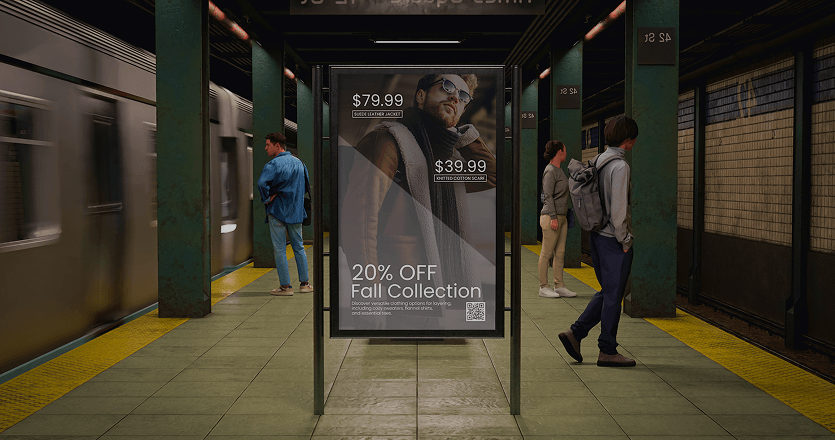
Digital signage works because real-time marketing ensures relevance. Studies show that it boosts sales by about 30%. Digital signage gives brands the power to respond instantly, update messaging across screens in seconds, and transform a once-static display into a living, adaptive experience.
Teams can even A/B test headlines in real time. Static signage, on the other hand, relies on guesswork. You print a sign, post it, and hope someone sees it.
What’s more, digital signage sends a clear signal that a brand is innovative, responsive, and alive. Every update, animation, and interaction is proof of agility and forward thinking. The shift to digital signage isn’t merely about replacing print, but redefining a brand’s presence.
Digital signage works because our brains love visuals. We naturally notice movement and bright colors, and we understand images much faster than text. That’s why digital signs, with their bold and moving graphics, grab attention so easily.
Sustainability is survival
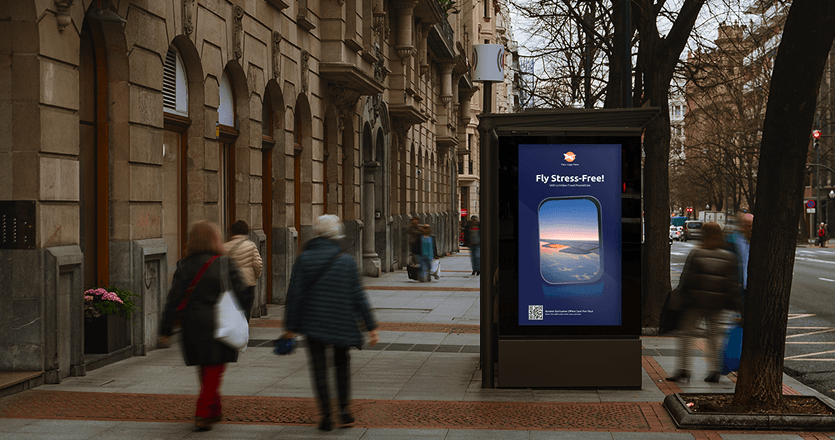
By 2026, sustainability will be a priority for many brands. Static signage, with its recurring print runs, shipping, and disposal, simply doesn’t align with modern environmental or financial priorities. Digital signage adapts to this reality by eliminating printing waste and drastically reducing production and logistics costs.
One study showed that implementing digital signage reduces printing and distribution costs by 45%. The result is lower emissions, lower overhead, and higher efficiency. What used to take weeks of planning and printing happens in minutes. In this new era, efficiency is evolution, and the brands that waste less will last longer.
Add it up, and it’s clear that digital signage is the future. It’s not just a medium, but a mindset shift. In the years ahead, survival will belong to those who move. Digital signage gives brands the agility, intelligence, and sustainability that today’s marketing demands, which will ultimately become the standard of tomorrow’s consumers.
Ready for your marketing to move? Get started with Yodeck today.
*Katie Rose Hester is a senior content strategist and writer working with product-led businesses bringing interesting, helpful innovations to market.